Signs Your Door Knob Lock Needs Replacement — Not Just Repair
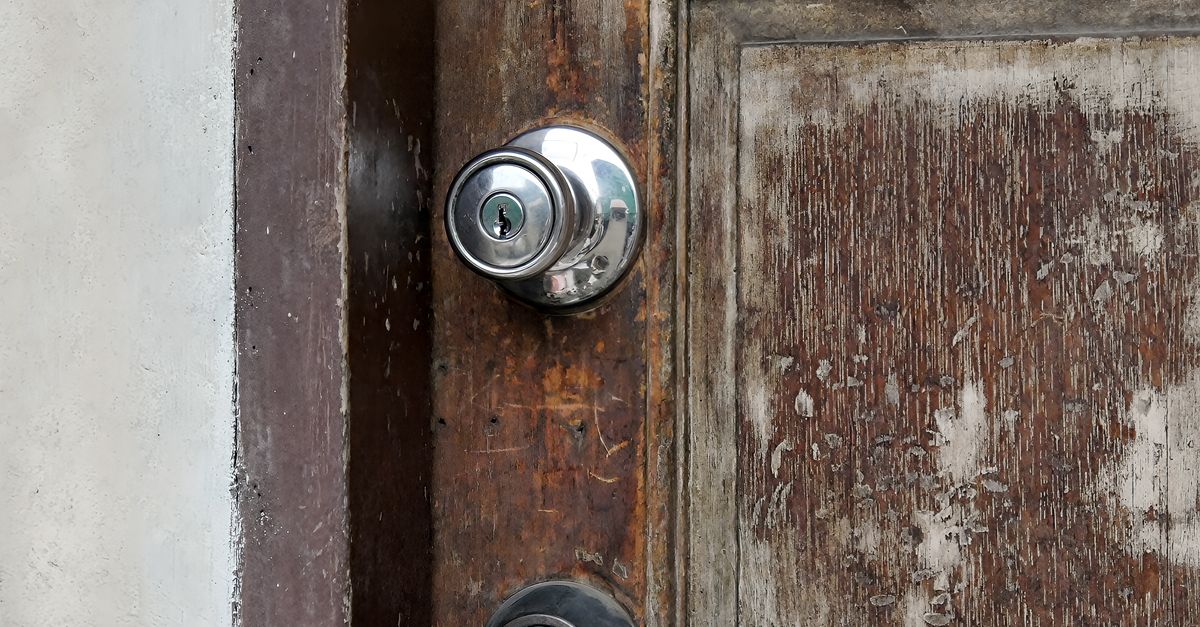
A knob lock that intermittently sticks is easy to dismiss, but the mechanics inside a standard tubular knob set are not built to last forever. The most common failure points are the latch bolt assembly, the internal cam that rotates with the knob, and the cylinder itself. When the cylinder begins to wear, the key may still turn but the cam no longer drives the latch — producing that frustrating half-turn sensation where the door feels locked even after you've 'unlocked' it. Spinning knobs, where the knob rotates freely without engaging anything, are almost always a cam failure and represent a complete loss of security: the door can no longer be latched shut from inside.
A jammed latch — one that won't retract when the knob is turned — is a separate problem. This is often caused by a misaligned strike plate after foundation settling or a door that has swollen in its frame, and it puts enormous stress on the internal mechanism every time someone forces the door. Left unaddressed, the latch housing cracks, turning a minor alignment job into a full door knob lock replacement. Our technicians diagnose the root cause on arrival, so we're not replacing hardware that could have been saved with a strike-plate adjustment — and we're not leaving behind a structural problem that will fail again in six months.